So you’re lying in bed at 3am, scrolling through Reddit, deep in some thread about hair loss.
One guy’s swearing by biotin supplements. Another’s injecting peptides into his body. Half the comments are arguing about finasteride, and no one agrees if minoxidil even works.
You close the app more confused than when you started.
Here’s the reality: around 80% of men will deal with some level of hair loss. That’s not you being unlucky. That’s just how it goes.
The good news is there is a playbook that works. Not miracle cures. Not expensive gimmicks. Just fundamentals that are actually backed by science.
Let’s break down what matters and what’s just noise.

Your Genetics Loaded the Dice, But You're Still Playing the Game
Okay so yeah, genetics matter. They determine your hair's natural density, how thick it is, what texture you're working with, and how fast it grows (usually about 1 to 1.5 centimeters per month for most guys).
They also influence if and when you'll start losing it.
But here's what most guys get wrong: genetics aren't a death sentence. They're just your starting point.
Think of it like this — genetics are the blueprint, but your lifestyle and habits are the actual construction crew. Both matter. Your family might have a history of thinning hair, but stress management, diet, and how you treat your scalp can make a massive difference in keeping what you've got and optimizing growth.
You're not helpless. You're just working with a specific hand. And there's a lot you can do with it.
 You're Probably Not Eating Enough of the Right Stuff
Hair is made of keratin. Keratin is a protein. So if you're not eating enough protein or staying hydrated, your hair is already fighting an uphill battle before genetics even come into play.
The foundation is simple: lean protein (chicken, fish, eggs), omega-3 fats (salmon, walnuts), leafy greens (spinach, kale), and iron-rich foods (red meat, lentils).
Now, you've probably seen ads for biotin gummies promising miraculous hair growth. Or supplements that claim to do everything short of reversing time. Here's the truth: supplements can help, but only if you're already eating well.
The keyword is supplement — as in, something that adds to an already solid diet, not replaces it.
Biotin? Sure, if your diet's lacking. B vitamins? Fine, same deal. But you can't out-supplement a trash diet. Fix the foundation first. Then add the extras if you need them. Stress Is Literally Making Your Hair Fall Out
Let's talk about something called telogen effluvium. Sounds complicated, but here's what it actually means: it's the condition that forces way more hair than usual into the shedding phase.
When that happens, your follicles shrink more and more until eventually, your hair just falls out.
What causes it? Chronic stress. Hormonal imbalances. Thyroid issues. All the stuff that makes modern life fun.
So what's the fix? Manage your stress. Easier said than done, obviously. But even small changes help.
Stop constantly messing with your hair. The less you pull, style, and manipulate it, the better. Get regular trims to keep the ends healthy and prevent splits from traveling up the shaft. And if your growth has genuinely stalled, it might be worth seeing a trichologist who can figure out if there's an underlying issue.
But here's the irony: stressing about your hair while living a high-stress life makes everything worse. The more you obsess, the worse it gets. Fix the lifestyle stuff first, and your hair has a way better shot. Your Scalp Is Where It All Starts (And You're Probably Ignoring It)
Most guys focus on their hair and completely ignore their scalp. That's backward.
Your scalp is where hair grows from. If the environment's not healthy, nothing else you do is going to work as well as it could.
Treat your scalp like you treat your face. Keep it clean with regular washing. Use a gentle exfoliant occasionally to remove buildup from products or dead skin. Then nourish it.
Peptide-rich serums can help. So can scalp massagers or even micro-needling devices that stimulate blood flow to the follicles. These aren't gimmicks — they actually boost absorption of whatever products you're using and wake up dormant follicles.
A healthy scalp equals healthier, thicker hair. That's not optional. That's the foundation everything else builds on. What Actually Works: The "Big Three" and Why They Matter
Alright, you've probably heard about the "big three" in hair growth: finasteride, minoxidil, and dutasteride.
Here's the quick breakdown:
Finasteride blocks DHT (dihydrotestosterone), which is the hormone that causes genetic hair loss. Basically, it stops the thing that's killing your hair follicles.
Minoxidil stimulates your follicles and encourages regrowth. It's one of the few topical treatments with actual clinical proof behind it. Studies show 62% of guys saw regrowth in affected areas after a year of using 5% minoxidil.
Dutasteride is like a stronger version of finasteride that does a bit of both.
All three are available as pills now. Minoxidil also comes as a topical cream you apply directly to your scalp, which is how most people use it. The Actual Playbook
Hair growth is a long game. Nail the basics — diet, stress management, scalp care, proven topicals — before chasing procedures or miracle supplements. That's how you actually keep your hair.
And once that’s handled, make your hair actually look better day to day.
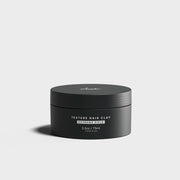
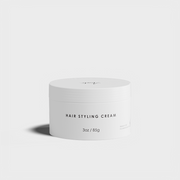
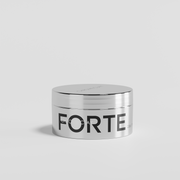
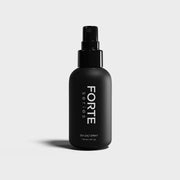
If your hair is fine or flat, the Forte Series Weightless Volume Kit helps add volume without weighing it down. The volumizing mousse builds structure, and the texture powder gives you lift and movement so your hair looks fuller and more styled.