Connor Storrie has been taking over red carpet since his breakout success in Heated Rivalry. Strange enough, the conversation isn’t even about his outfit. It’s his hair.
Messy in the right way. Fringe falling forward. Length in the back with natural movement. The kind of hair that looks effortless but never sloppy.
That’s hockey hair. Or as players call it: flow, lettuce, the lid.
And it’s not just Storrie. Elordi, Barry Keoghan, Harry Styles, Glen Powell, Brad Pitt, Paul Mescal, Austin Butler — all versions of the same thing.
Longer. Softer. Less structured. More movement.
 What Even Is Hockey Hair?
Let’s make this clear. Hockey hair is not just a mullet. At least not the aggressive business-in-the-front, party-in-the-back your dad had in the '80s.
Think of it as mullet's cooler, less intense younger brother who got into indie rock instead of hair metal.
The top is loose and wavy. The sides are tapered but not buzzed. And there's length at the back that flows out — which originally was designed to peek out from under a hockey helmet, but now just looks effortlessly cool in regular life.
The style originated in the '70s and '80s when hockey players went all-in on mullets. When mullets died in the '90s, most people moved on. But hockey players? They just refined it. Made it less extreme. More wearable. More modern.
The result is lettuce hair. And it's now jumping from ice rinks to red carpets because it does something most hairstyles can't pull off: it looks intentional without looking like you spent an hour on it.
How Hockey Culture Became Style Culture
Hockey players don't obsess over their hair. They grow it out, keep some length, let it flow. There's a confidence in that approach. It's not precious. It's not Instagram-perfect. It's functional and cool at the same time.
And that mindset? It's bleeding into how guys think about style in general.
The hyper-polished, super groomed look feels outdated. But so does the "I genuinely didn't try at all" mess. Hockey hair splits the difference perfectly — it's styled, but it doesn't scream "I spent 45 minutes on this."
Connor Storrie Is the Bridge Between Rink and Red Carpet
Storrie's hair is basically the blueprint for how to make hockey hair work outside of hockey.
His stylist Kerrie Urban says he's "very low maintenance day-to-day and just does his own thing with little to no product." But when he's got red carpets or press events? She uses a tiny bit of curl-enhancing cream on wet hair and diffuses it with a Dyson.
That's the formula: low-effort most days, strategic effort when it counts.
It works because the hair isn't trying to be the statement. It's just good hair that complements whatever else you've got going on.
What You Can Actually Steal From This
You don't need to play hockey or be Connor Storrie to make this work. But there are principles here worth borrowing.
Let it grow a little. Most guys default to safe, short cuts. Hockey hair proves that keeping some length — especially at the back and top — gives you way more versatility and movement. You can still taper the sides to keep things clean.
Stop trying to make it perfect. The whole point of flow is that it moves. It's not rigidly gelled into place. Some wave, some texture, a little imperfection — that's what makes it look natural instead of manufactured.
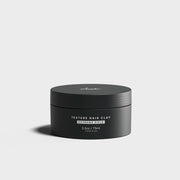
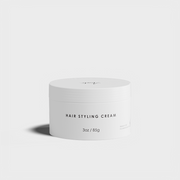
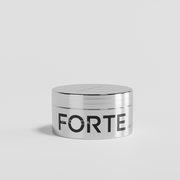
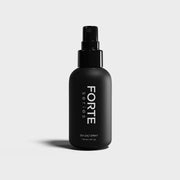
Keep your products minimal. Hockey players aren't using ten different styling products. They're keeping it simple and chooses products that enhances their natural texture and flow. This Is Bigger Than Just Hair
It's not about copying hockey players exactly. It's about understanding why their approach works: intentional without being precious, styled without being stiff, confident without trying too hard.
That balance is what modern men's style has been chasing for years. We're just now catching up.
- Forte Team